 admin
admin Master Your Money: Avoid These Budgeting Mistakes That Cost You Big
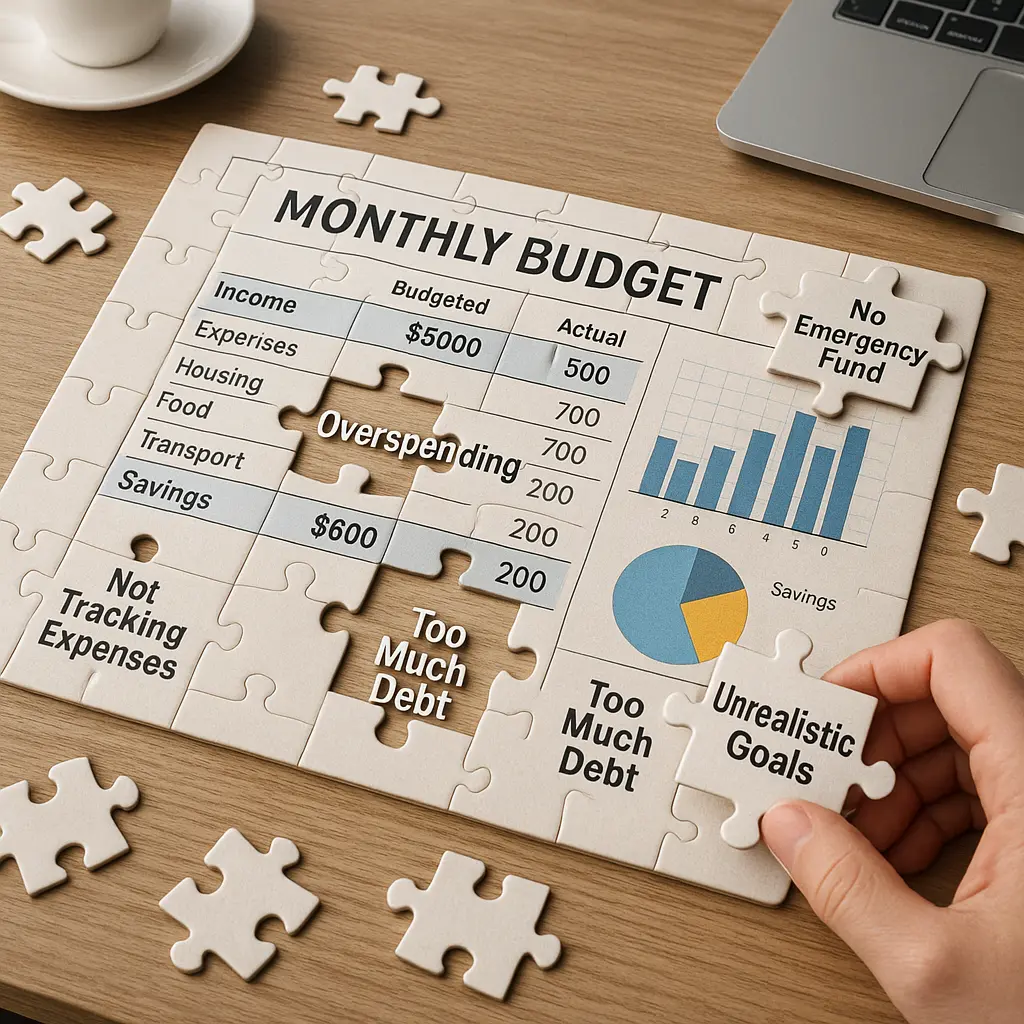
Budgeting is the cornerstone of smart financial planning, but even the most disciplined individuals can fall into the trap of common budgeting mistakes. These budgeting mistakes silently sabotage your savings, lead to debt, and prevent you from reaching your financial goals.
Whether you’re a beginner or someone who’s already budgeting, recognizing and correcting these budgeting mistakes can help you build a stronger, more sustainable monthly budget plan. In this guide, we’ll explore the 7 most common budgeting mistakes, how to fix them, and smart strategies to ensure long-term success.
1. Not Tracking Your Daily Expenses
One of the most frequent budgeting mistakes people make is assuming they know where their money goes. In reality, not tracking your expenses leads to blind spots.
- You may overlook subscriptions you no longer use.
- You might be spending ₹200 a day on small purchases that add up to ₹6,000 a month.
Solution: Use a budgeting app or a manual log to track every transaction. This simple habit transforms your awareness and curbs overspending.
2. Creating Unrealistic Budgets
Another one of the major budgeting mistakes is setting a budget that doesn’t reflect your lifestyle. If you allocate ₹2,000 for groceries when your average spend is ₹6,000, you’re bound to fail.
Why it fails:
- You underestimate real expenses
- You feel frustrated and quit budgeting altogether
Solution: Start by calculating your average expenses over the last 3 months. Then create a realistic monthly budget plan that reflects your actual needs and gradually introduces saving strategies.
3. Ignoring Irregular or Annual Expenses
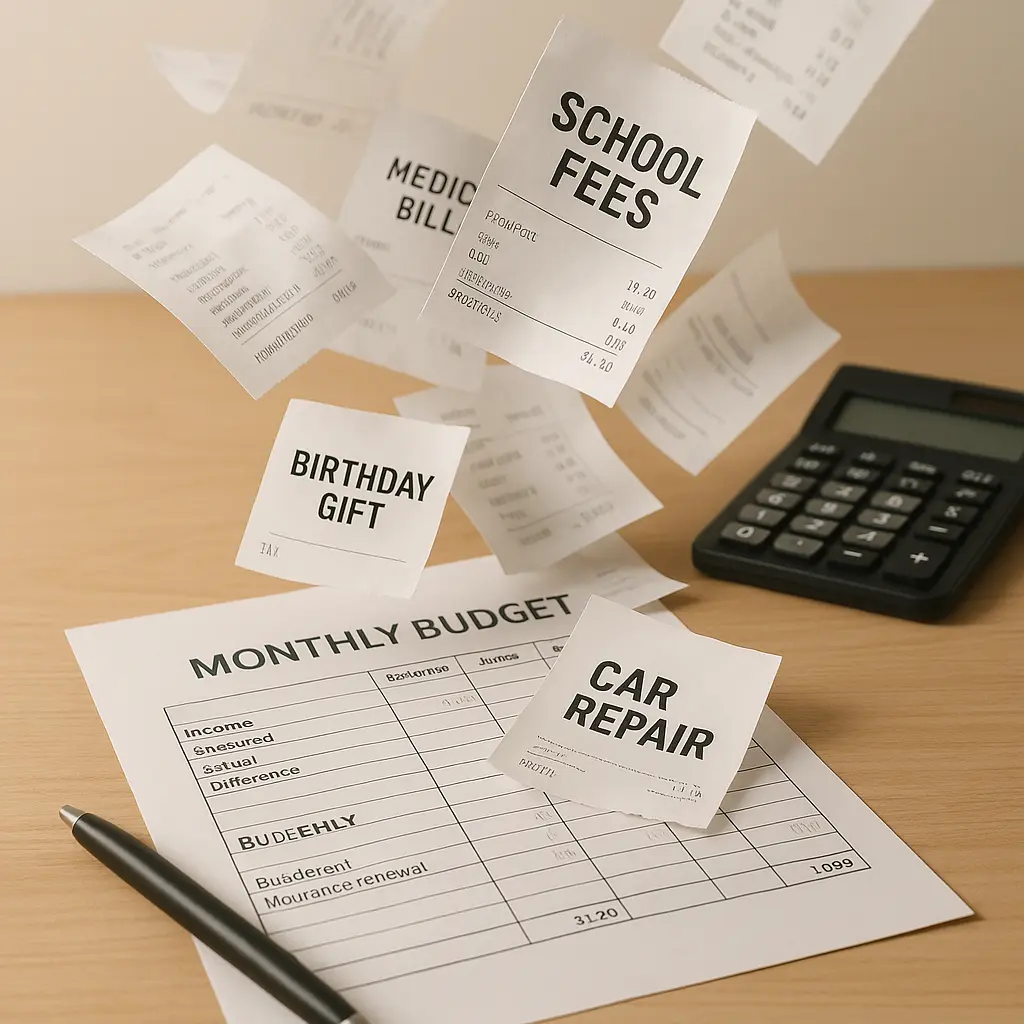
People often forget to include non-monthly expenses in their budget, which is one of the most overlooked budgeting mistakes.
- Car insurance every 6 months
- Annual subscriptions
- Gifts, festivals, school fees
Solution: Create sinking funds for these irregular expenses. Divide the annual amount by 12 and save that monthly.
4. Relying on Credit Cards Without a Repayment Plan
Many fall into the trap of using credit cards for everything, assuming they’ll “pay it off later.” This is one of the riskiest budgeting mistakes you can make.
- Encourages overspending
- Leads to mounting debt
- Damages your credit score
Solution: Only use credit cards if you can pay off the full balance each month. Track every credit card expense as part of your monthly budget.
5. Not Adjusting Your Budget Regularly
A static budget is a broken budget. One of the less obvious but common budgeting mistakes is never reviewing or updating your plan.
- Life circumstances change (job, rent, kids)
- You overspend in one category and ignore it
- You stop budgeting altogether
Solution: Review your budget monthly. Adjust your categories, add new expenses, and reallocate funds based on evolving income vs expenses.
6. Skipping the “Fun Money” Category
Believe it or not, one of the more subtle budgeting mistakes is eliminating entertainment and enjoyment from your budget.
- Leads to “budget burnout”
- Makes your plan unsustainable
- Causes binge spending
Solution: Allocate a small but realistic amount for fun. A balanced budget includes spending on experiences, hobbies, or small treats.
7. Saving Whatever Is Left (Instead of Saving First)
This is among the worst budgeting mistakes – treating savings like leftovers.
Why it’s dangerous:
- There’s usually nothing left
- Savings become inconsistent
- You delay your financial goals
Solution: Pay yourself first. Automate a set amount of savings at the beginning of the month – not the end.

Pro Tip: Try These Popular Budgeting Methods
To prevent budgeting mistakes, use one of these proven strategies:
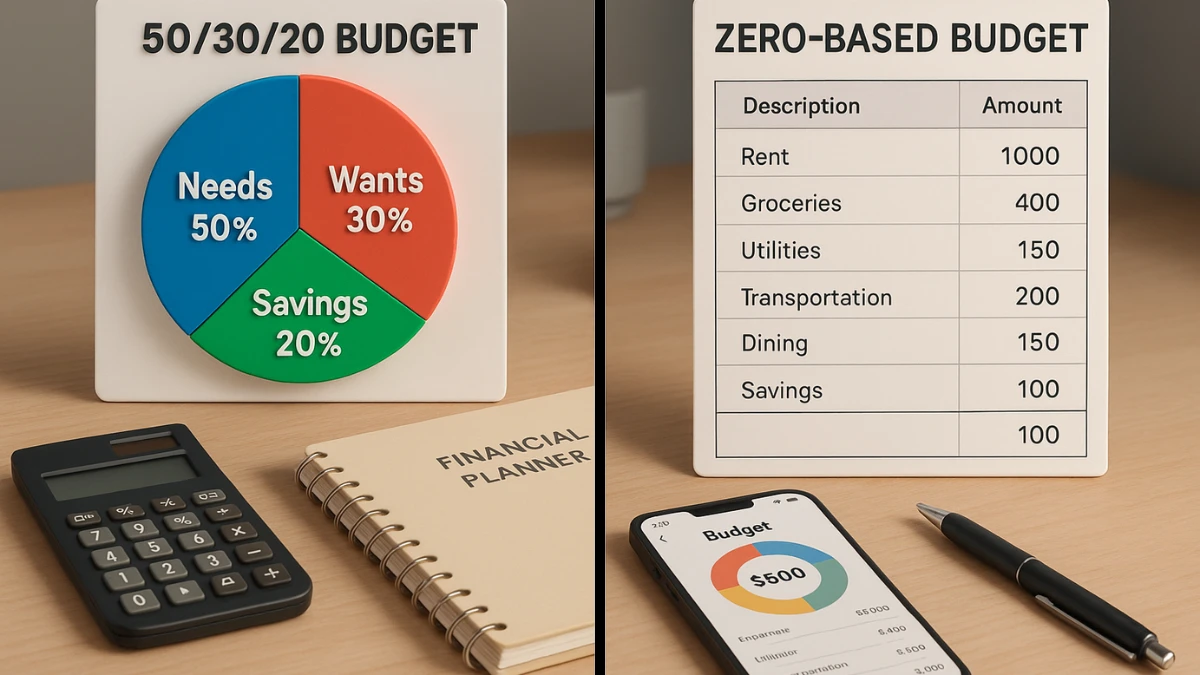
Zero-Based Budgeting
Every rupee has a job. Income – Expenses = ₹0. You plan for everything intentionally.
50/30/20 Rule
- 50% Needs
- 30% Wants
- 20% Savings/Debt Repayment
This helps you avoid overspending and keeps your budgeting habits balanced.
The Impact of Avoiding Budgeting Mistakes
By correcting these budgeting mistakes, you:
- Regain control over your money
- Reduce stress and arguments over finances
- Accelerate your savings and investments
- Build an emergency fund and prepare for the future
Consistency, awareness, and adjustment are the keys to lasting financial success.
Bonus: Manage Your Wealth Smarter with My Wealth Locker
Struggling to stay on top of your finances – even after fixing budgeting mistakes?
My Wealth Locker is your smart personal wealth management platform designed to help you:
- Organize and track all your assets in one place
- Stay on top of income, investments, and liabilities
- Avoid common budgeting mistakes by gaining better financial visibility
- Set long-term wealth goals with precision
- Make informed decisions with real-time wealth insights
Whether you’re recovering from financial missteps or looking to build a stronger future, My Wealth Locker empowers you to manage your personal wealth with confidence.
Take control of your financial journey – start using Wealth Locker today.
Frequently Asked Questions (FAQs)
1. What are the most common budgeting mistakes to avoid?
The most frequent budgeting mistakes include not tracking expenses, unrealistic expectations, ignoring irregular costs, and not saving first. Fixing these early improves your money management and future security.
2. Why does my budget never work?
If your budget fails, it may be due to budgeting errors to avoid like not adjusting for life changes or not including all expenses. Review your income vs expenses monthly to make it work.
3. How do I stop making budgeting mistakes every month?
Use a proven system like the zero-based budget or 50/30/20 rule. Automate savings and use tools like Wealth Locker to fix budgeting problems before they grow.
4. What’s the best way for beginners to avoid budgeting mistakes?
Budgeting for beginners dos and don’ts include: track every rupee, avoid credit overuse, include fun spending, and start with simple goals. Consistency matters more than perfection.
5. Can a monthly budget plan help me get out of debt?
Yes, a strong monthly budget plan reveals your spending leaks and helps you allocate more toward debt repayment. Avoiding budgeting mistakes will speed up your progress.
6. How do I balance saving and spending?
Follow a structure like the 50/30/20 rule. Make savings a fixed priority and track your spending habits carefully. This helps avoid overspending and achieve financial goals faster.