 admin
admin Master Your Money: A Proven Guide to Building a Monthly Budget That Actually Works
Managing your finances doesn’t have to be stressful. Many people struggle with money because they don’t have a monthly budget that truly reflects their income and lifestyle. Without a proper budget plan, it’s easy to overspend, miss savings goals, and feel anxious about finances.
Creating a monthly budget allows you to take control, track your spending, and plan for both short-term and long-term financial goals. Whether you’re new to budgeting or have tried before without success, this guide will help you create a budgeting strategy that works in real life.
1. Why a Monthly Budget Is Essential
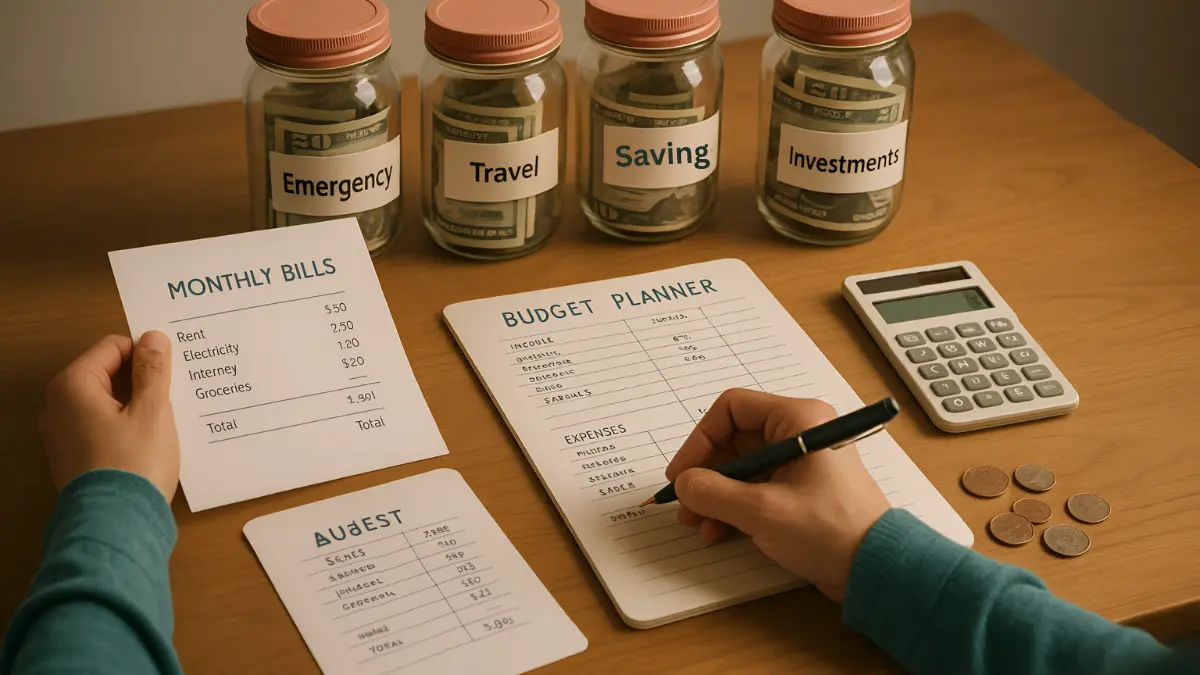
A monthly budget gives structure to your finances. It helps you understand where your money is going, prevents overspending, and ensures that savings and investments are prioritized. Without a budgeting strategy, money can easily disappear, leaving you unprepared for emergencies or large expenses.
Benefits of having a monthly budget include:
- Tracking where your money goes each month
- Reducing unnecessary spending
- Saving consistently for goals like vacations, emergencies, or investments
- Gaining control over financial decisions and reducing stress
Even if you earn a high income, a monthly budget ensures your money is directed toward meaningful priorities instead of being spent impulsively.

2. Step 1: Calculate Your Total Monthly Income
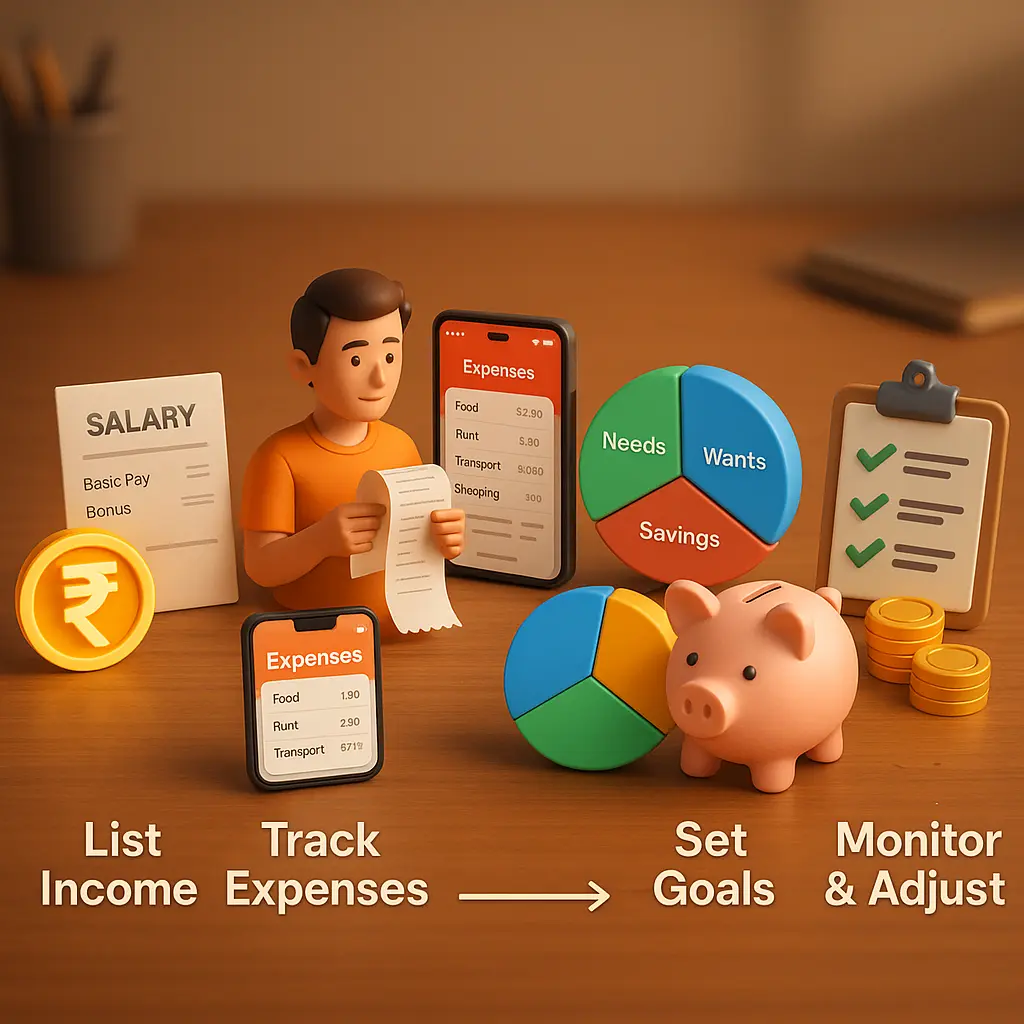
The first step in creating a monthly budget is knowing exactly how much money you earn. This includes all sources of income, not just your salary. Understanding your total income helps you allocate funds effectively across expenses, savings, and discretionary spending.
Income sources to consider:
- Salary after taxes
- Freelance or side hustle earnings
- Rental income or dividends
- Bonuses or irregular payments
With a clear picture of your total income, your budget plan becomes realistic and actionable. Knowing how much you have to work with is the foundation of a successful monthly budgeting strategy.
3. Step 2: Track and List Expenses
Tracking your expenses is crucial for a monthly budget. You need to know exactly where your money is going each month to make informed financial decisions. Begin by listing all your fixed and variable expenses so your budget plan reflects reality.
Examples of expenses include:
- Fixed Expenses: Rent, utilities, insurance, loan payments
- Variable Expenses: Groceries, dining out, transportation, entertainment
- Irregular Expenses: Gifts, car repairs, or annual subscriptions
Using tools like spreadsheets, apps, or a simple notebook can help you record every expense. Accurate tracking ensures your monthly budgeting strategy is effective and prevents overspending.
4. Step 3: Categorize and Prioritize Spending
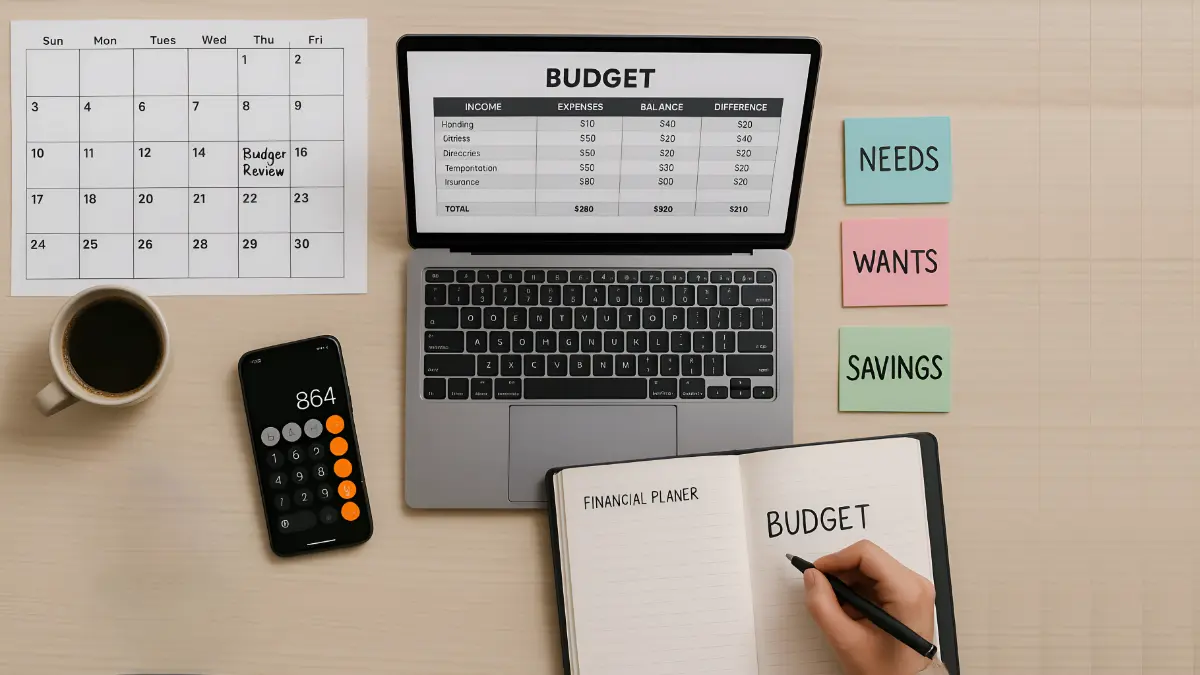
Once you’ve listed your expenses, categorize them to make your monthly budget manageable. This helps you see which areas need attention and where you can save more. A clear budget plan focuses on essential needs while keeping room for wants and savings.
Common categories in a monthly budget:
- Needs: Housing, groceries, utilities, transportation
- Wants: Entertainment, dining out, hobbies, subscriptions
- Savings & Investments: Emergency fund, retirement contributions, mutual funds
By prioritizing expenses, your monthly budgeting strategy ensures that essential payments are covered first and discretionary spending is kept in check.
5. Step 4: Set Clear Savings and Financial Goals
A monthly budget is not only for managing expenses—it also helps you achieve your financial goals. Setting SMART goals (Specific, Measurable, Achievable, Relevant, Time-bound) creates motivation and accountability.
Examples of financial goals:
- Save ₹5,000 per month for an emergency fund
- Pay off ₹50,000 in debt over six months
- Invest 10% of your income in mutual funds or stocks
Aligning your budget plan with goals ensures every rupee contributes to your future. Regular tracking lets you adjust your monthly budgeting strategy when unexpected expenses occur.
6. Step 5: Use the 50/30/20 Rule
The 50/30/20 rule is a simple framework for a monthly budget, especially for beginners. It allocates:
- 50% Needs: Essential expenses like rent, groceries, and utilities
- 30% Wants: Non-essential spending such as entertainment and dining out
- 20% Savings/Debt Repayment: Emergency fund, investments, and loan payments
This rule provides a balanced budget plan, ensuring that your needs are met while still allowing room for savings and discretionary spending. It’s a flexible approach to developing a sustainable monthly budgeting strategy.
7. Step 6: Monitor, Adjust, and Track Progress
A monthly budget should evolve with your lifestyle and financial changes. Regular monitoring helps you identify overspending areas and adjust allocations to stay on track. Review your budget plan weekly or bi-weekly to make informed decisions.
Ways to monitor your budget effectively:
- Track every expense using apps or spreadsheets
- Compare actual spending with planned allocations
- Adjust the budget when income or expenses change
- Review progress toward savings and investment goals
Consistent monitoring ensures your monthly budgeting strategy remains relevant and effective over time.
8. Tips to Stick to Your Monthly Budget
Following a monthly budget consistently requires practical strategies. Without discipline, it’s easy to slip back into old spending habits.
Tips to stick to your budget:
- Automate bill payments and savings contributions
- Use cash envelopes for discretionary spending
- Reward yourself when you reach savings milestones
- Track spending using apps like Wealth Locker
By implementing these tips, your budget plan becomes manageable and encourages long-term financial discipline.
9. Budgeting on a Low Income
Even with limited income, a monthly budget can make a big difference. Prioritizing essentials and saving consistently ensures financial stability. Meal planning and eliminating non-essential expenses are key strategies.
Budgeting strategies for low-income households:
- Focus on needs over wants
- Reduce variable expenses like dining out
- Utilize public resources such as transport or subsidized services
- Save even small amounts consistently to build an emergency fund
A thoughtful budget plan allows low-income families to manage their money wisely and plan for the future.
10. Avoid Common Budgeting Mistakes
Many people fail at budgeting because they underestimate variable expenses, forget irregular bills, or make the plan too restrictive. Not reviewing the monthly budget regularly or misaligning it with financial goals can also cause failure.
Mistakes to avoid:
- Ignoring irregular or annual payments
- Making the budget too strict or unrealistic
- Failing to review and adjust regularly
- Spending without prioritizing financial goals
Avoiding these mistakes strengthens your monthly budgeting strategy and ensures long-term success.
11. Benefits of a Monthly Budget That Works
Following a well-structured monthly budget provides multiple benefits. It reduces financial stress, improves debt management, accelerates wealth accumulation, and gives a clear path to financial freedom.
Key advantages include:
- Reduced financial stress and anxiety
- Better debt and credit management
- Faster wealth accumulation
- Clear roadmap to financial freedom
- Greater control over spending and savings
A good budget plan acts as a guide, helping you make informed decisions and achieve your financial goals.
12. Secure and Manage Your Wealth with Wealth Locker
Wealth Locker is a digital platform that complements your monthly budgeting strategy. It allows you to track and manage all assets in one place, from FDs and Gold to Bonds, Real Estate, and Diamonds.
Wealth Locker benefits:
- Visual overview of net worth and asset allocation
- Secure platform with multi-layer encryption
- Real-time insights to track growth and performance
- Simplifies wealth management for beginners and seasoned investors
Combining Wealth Locker with your monthly budget ensures you can manage everyday finances and long-term investments with ease and confidence.